Style Reference (--sref)
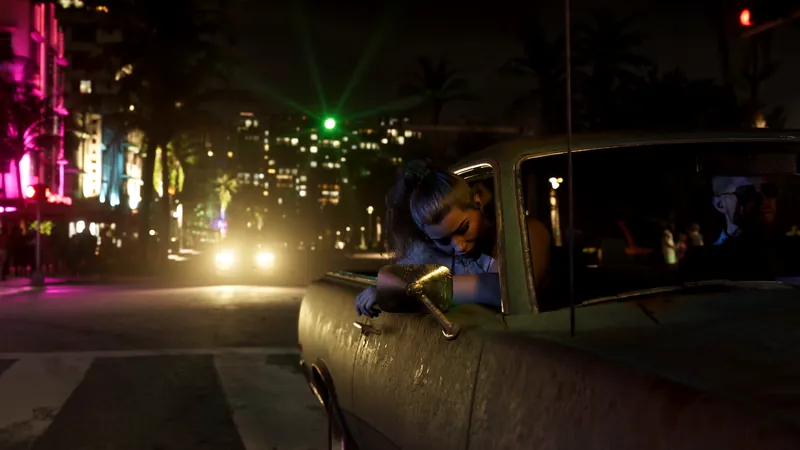
A style reference is an image provided to an AI generator to transfer visual aesthetics, color palettes, and rendering techniques without copying the underlying subject. The text prompt describes what scene to create, while the reference image dictates how that scene should look. This allows creators to maintain aesthetic consistency across multiple generations without relying solely on complex descriptive words.
Also known as: style reference, --sref, --sw, style_reference_images
Side-by-side test results

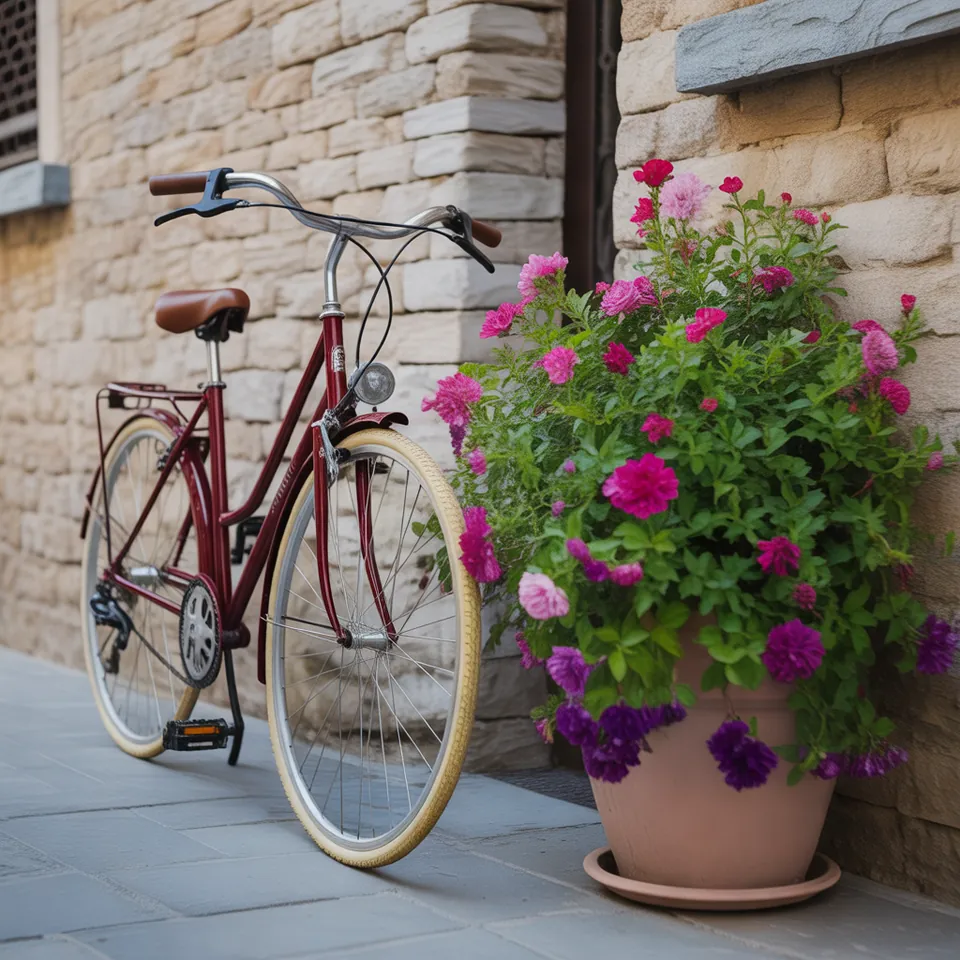

Model: Ideogram 3.0 (przez API fal.ai, tryb TURBO). Settings: seed 1411, style reference: illustration from the style type guide. Date: 14.11.2026.
Prompt: a red bicycle leaning against a stone wall next to a flower pot
Without a reference, my prompt generated a photograph of a bicycle leaning against a stone wall. With the reference applied, that same prompt produced a flat illustration matching the source image's color palette, but the model also carried over mountains and snow from the sample. In practice, a style reference will leak content whenever the source image contains strong, distinct scenery.
Syntax across generators
| Generator | Parameter | Values | Default |
|---|---|---|---|
| Midjourney* | --sref (image URL) + --swWspierane w V8.1/V8.2 (tabela wersji). --sv: V7 domyślnie 6, V6 domyślnie 4 - dla V8 niepotwierdzone. Są też Moodboards i Style Creator | --sw 0-1000 | --sw 100 |
| FLUX | images (reference images, FLUX 3)No dedicated style parameter; image role described in prompt. FLUX.2: input_image..input_image_8 (up to 8) | 1-10 images (URL or base64) | - |
| Ideogram | style_reference_imagesIdeogram 3.0 (generate, remix, reframe). Does not combine with style_preset | max. 10 files, up to 25 MB each, JPEG/PNG/WEBP | - |
| GPT Image | multiple input images during editing | max. number not specified (example uses 4) | - |
| Seedream* | image (reference images) | 5.0 pro/flash: up to 10; 5.0 lite/4.5/4.0: up to 14 | - |
| Qwen-Image | image (editing)Each 1-8000 px per side, aspect ratio up to 10:1, up to 10 MB | 2.1-pro/turbo: 1-10 images; 3.0/3.0-pro: 1-3 | - |
| Stability AI (SD 3.5) | Control: Style Guide / Style Transfer (separate endpoints) | unconfirmed (pages not retrieved) | - |
* Midjourney: docs.midjourney.com blocks automated scrapers, so values are sourced from search engine indexes. Please verify settings on the official Midjourney site before production use.
- Sources, verified on 14.11.2026:
- Midjourney: docs.midjourney.com/hc/en-us/articles/32180011136653-Style-...
- FLUX: docs.bfl.ml/api-reference/utility/generate-an-image-with-fl...
- Ideogram: developer.ideogram.ai/v2/api-reference/images/generate/ideo...
- GPT Image: developers.openai.com/api/docs/guides/image-generation
- Seedream: docs.byteplus.com/en/docs/ModelArk/1541523
- Qwen-Image: www.alibabacloud.com/help/en/model-studio/qwen-image-genera...
- Stability AI: docs.stability.ai/llms.txt
When to use it
- Producing a cohesive suite of marketing assets for a brand campaign, such as illustrations for a local coffee shop or council event flyer.
- Attempting to replicate a precise visual mood, linework, or color grade that is difficult to describe purely in text prompts.
- Working from your own original graphics or properly licensed imagery to maintain brand consistency safely.
Common mistake
Using a reference image dominated by strong narrative elements, such as a recognizable mountain ridge or a specific face, rather than a neutral aesthetic sample. The generator will usually pull those recognizable objects into your scene alongside the style. A clean texture, pattern, or subject-neutral illustration works much better. Another common mistake is uploading artwork from living creators without permission, which presents both ethical and licensing problems.
Ready-to-use example
Midjourney: bicycle by a wall --sref <image-url> --sw 100
Ideogram (API): style_reference_images field with 1 image
FLUX: reference image in input_image + style description in prompt
Frequently asked questions
How does --sref differ from character reference parameters?
Style references guide overall mood, colors, and line treatment across an entire scene, while character reference tools focus strictly on carrying over the facial features, hairstyle, and clothing of a specific subject.
What does the --sw parameter do?
In Midjourney, --sw stands for style weight. It controls how aggressively the generator matches the reference image, where higher values enforce the source aesthetic more strictly and lower values give your prompt more freedom.
Can multiple style reference images be used together?
Yes, you can pass multiple image links into the parameter. The generator blends their palettes and textures, allowing you to combine complementary aesthetics into a single look.